
Access to the 168.0.100 router admin page starts with a secure connection and proper credentials. The guide outlines how to log in, verify management settings, and apply firmware updates, plus document the process for audits. It emphasizes status lights for quick diagnostics, static or dynamic IP configuration, and correct gateway paths. Security is prioritized via least-privilege access, MFA, and activity logs. The framework ends with critical steps you’ll want to apply before proceeding to actual configuration.
How to Access the 168.0.100 Router Admin Page
To access the 168.0.100 router admin page, open a web browser and enter http://168.0.100 or https://168.0.100 in the address bar.
The interface presents a secure login and structured menus.
Navigate to management settings to review network topology and perform firmware updates, ensuring accessible configuration.
Maintain baseline security, document changes, and verify connectivity after any adjustment.
Understand the Status Lights and What They Mean
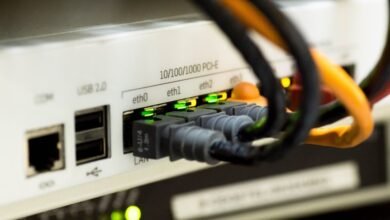
The status lights on the 168.0.100 router provide a quick, at-a-glance indication of device health and operation. Understanding indicators enables rapid assessment. Interpreting LEDs guides troubleshooting steps, while configuring status lights ensures consistent behavior. Diagnosing connectivity relies on standardized light patterns, documented meanings, and direct correlation to ports and services, without ambiguity, preserving autonomy and actionable clarity for informed users.
Configure IP Settings and Basic Network Roles
Configuring IP settings and assigning basic network roles establishes the foundational topology for the 168.0.100 environment.
The process outlines static and dynamic IP allocation, subnetting, and gateway configuration, ensuring predictable paths and accountability.
Define device roles, VLAN scopes, and routing expectations to preserve clarity.
This approach supports scalable network topology while enabling deliberate IP allocation and straightforward troubleshooting.
Implement Essential Security and Login Practices
Implement essential security and login practices by establishing strong authentication, principle of least privilege, and consistent access controls across the 168.0.100 environment. The approach enforces auditable governance, minimizes risk, and supports freedom through clear, enforceable policies. Focus areas include security audit processes, routine password hygiene, credential rotation, MFA deployment, and centralized monitoring to detect anomalies and ensure prompt remediation. Continuous improvement mandated.
Frequently Asked Questions
How to Reset the Router to Factory Defaults?
The reset procedure requires locating the recessed reset button, holding it for 10–15 seconds, then releasing to perform a factory reset steps. It addresses admin access issues and login troubleshooting, restoring network settings and credential defaults for freedom.
Can I Change the Router’s Default Admin Username?
Candelabra flickers aside, yes: change adminUsername is possible on many routers, but security implications demand use of a strong, unique credential and documented access controls. Proceed with caution, ensure firmware supports rename, then update credentials and logs.
What to Do if I Forget the Admin Password?
If the admin password is forgotten, perform password recovery and restore admin access by following the router’s recovery procedure, which typically involves hardware reset or boot-mode steps; then reconfigure credentials and secure the device promptly.
How to Update the Router’s Firmware Safely?
Updating firmware should be done safely with caution and precision. The guide emphasizes how to verify firmware integrity, then schedule automated updates, performing checksums, backups, and rollback testing to maintain control and freedom while avoiding disruption.
Do VPNS Affect Router Login or Management Access?
VPN behavior can restrict router login access during active tunnels; management remains possible on the local network, but remote access may be blocked. Ensure appropriate VPN split-tunneling or firewall rules to preserve Router login access efficiently.
Conclusion
In the quiet hum of the network, technicians recall a steady shoreline: access the 168.0.100 portal, observe the status lights, and align IP settings with precision. Like a lighthouse, secure login practices—MFA, least privilege, audit trails—signal safe passage. The router becomes a trusted waypoint, not a maze. When firmware updates arrive, treat them as timely weather checks; document changes and keep paths clear. In practiced steps, reliability follows, as sure as tide meets shore.