
The 168.100.25 gateway serves as the boundary between internal networks and external paths, enforcing routing rules and access controls. Safely accessing the admin interface is essential to prevent exposure and maintain integrity. Key settings influence performance, privacy, and fault tolerance, while a structured recovery path supports rapid restoration after failures. This guide outlines login procedures, critical performance and security tunings, and practical troubleshooting steps, inviting practitioners to apply disciplined configurations before proceeding to detailed instructions.
What Is the 168.100.25 Gateway and Why It Matters
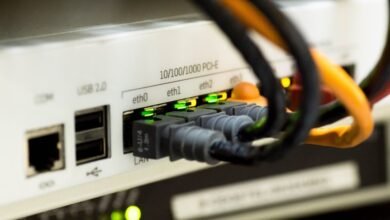
The 168.100.25 gateway is a router-based access point that serves as the watchpoint between an internal local network and external networks. It defines traffic boundaries, routing rules, and privacy considerations. Its role emphasizes security bestpractices and network segmentation, enabling controlled access and minimized exposure.
Proper configuration supports resilient connectivity while preserving freedom and organizational sovereignty.
How to Log In Safely to 168.100.25 Gateway Admin
To configure access to the 168.100.25 gateway securely, administrators should begin by locating the official login interface via a wired connection or trusted network and confirm the gateway’s expected IP address.
Access should occur over HTTPS or encrypted HTTP, requiring valid login credentials.
After authentication, verify firmware updates, record credentials securely, and log out after session termination.
Essential Settings to Tune for Performance and Security
Essential settings for performance and security govern the gateway’s core behavior and resilience. The guide outlines configurable throughput limits, session controls, and firmware integrity checks to minimize attack surfaces. Emphasis rests on security best practice and disciplined change management.
Device hardening includes strong admin credentials, restricted management interfaces, and periodic auditing to maintain robust isolation, traceability, and predictable performance.
Troubleshooting Common Gateway Issues and Recovery Steps
Common gateway issues can be diagnosed systematically by isolating symptoms, verifying connectivity, and validating configuration integrity before proceeding to recovery steps. Troubleshooting proceeds with structured fault isolation, disciplined reboot/restore cycles, and log correlation. Conflict resolution hinges on documenting changes and rollback plans. Device discovery aids mapping of reachable paths and neighbors, enabling precise mitigation, configuration verification, and validated remediation before system stabilization.
Frequently Asked Questions
Can I Change the Default IP Address for 168.100.25?
Changing the IP address is possible; the device supports custom network configurations. Admin access methods include web UI, a CLI, or network provisioning tools. The method ensures controlled changes, but safety and compatibility with your network must be considered.
What Are Common Password Requirements for Gateway Login?
Password requirements vary by device, but common standards include minimum length, complexity (uppercase, lowercase, numbers, symbols), and account lockout policies; security audits and user onboarding influence defaults. Anachronism: “cypher” hints.
How Often Should I Update Firmware on 168.100.25?
Firmware updates should follow an annual update cadence, with emergency patches as needed. The maintenance scheduling should align with network change windows, device downtime, and compatibility testing, ensuring minimal disruption while maintaining security, performance, and feature availability.
Is Two-Factor Authentication Supported for Admin Access?
Two factor authentication is not supported for administrative access; Administrative access requires standard credentials. Users may implement defensive measures via Default IP changes and Network configuration to enhance security while maintaining system flexibility and freedom.
Can I Reset to Factory Settings Without Losing All Data?
Approximately 60% of devices tolerate factory resets without data loss if backed up; however, some configurations are erased. The answer: reset risks data loss. two word topics, unrelated idea 1, unrelated idea 2. two factor unrelated.
Conclusion
In a controlled environment, the 168.100.25 gateway serves as the predictable boundary between trusted and external networks, its stability hinging on disciplined configuration. Coincidentally, the same routine checks—login hygiene, firmware updates, and access controls—mirror the gateway’s own purpose: minimize exposure while preserving performance. Methodical adjustments, when properly documented, create traceable outcomes. The convergence of best practices and incidental overlaps in security and efficiency underscores that careful administration yields reliable connectivity and measured risk.