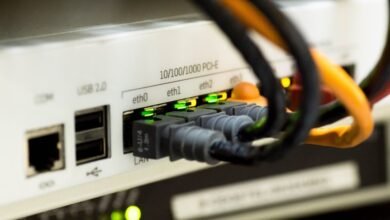


This guide presents a disciplined approach to using private IPs in constrained topologies, focusing on repeatable, auditable internal flows. It outlines clear addressing plans, boundary isolation, and deterministic routing backed by thorough documentation and timestamped validation. Edge monitoring, asset inventories, and automated change control underpin ongoing maintenance. While it emphasizes secure, privacy-respecting segmentation, the framework remains practical for offline-ready networks, leaving readers with critical decisions to weigh as they prepare implementation.
How 0.0.136 Private IPs Work and Why They Matter
Private IP addresses are non-routable identifiers used within private networks to organize and manage internal traffic. The discussion centers on how 0.0.136 behaves in constrained topologies, guiding internal flows without impacting external reach. IP allocation governs address reuse and scalability, while routing strategies determine path efficiency. This framework supports controlled experimentation, security, and freedom to evolve network segmentation with disciplined, repeatable methods.
Setting Up 0.0.136 in Your Private Network
To deploy 0.0.136 in a private network, a structured setup should proceed from clear addressing plans to implemented boundaries. The process emphasizes Setting up 0.0.136, private networking basics, establishing scalable topology, and deterministic routing. Documentation remains essential, ensuring Troubleshooting 0.0.136, common pitfalls are preempted by validation checks, secure segmenting, and disciplined change control for reliable, freedom-respecting network operations.
Common Pitfalls and How to Troubleshoot 0.0.136
Common pitfalls in deploying 0.0.136 often stem from insufficient planning and incomplete validation, making early errors costly to rectify. This section identifies practical troubleshooting steps: verify address consistency, monitor edge devices, and track changes with timestamped logs.
Emphasize privacy tooling and network auditing as diagnostic aids, ensuring repeatable results and auditable processes while preserving freedom to adapt network topology.
Best Practices for Security and Maintenance of 0.0.136
Effective security and ongoing maintenance of the 0.0.136 network require a disciplined, repeatable approach that emphasizes risk-based controls, continuous monitoring, and auditable processes.
The framework prioritizes privacy protocols, rigorous network segmentation, and proactive maintenance automation.
Regular security auditing, defined change control, and asset inventory enable swift risk reduction while preserving freedom to innovate within a controlled, transparent environment.
Frequently Asked Questions
Can 0.0.136 Be Used With Public Cloud IPS?
Yes, 0.0.136 cannot be used as a public cloud IP; it remains non-routable private addressing. In cloud networking contexts, proper ip hygiene and address planning ensure isolation, while public endpoints use routable ranges.
Are There Licensing Limits for Private Networks?
Licensing constraints exist but are typically not tied to private networks; rather, they depend on vendor terms and usage. Private IP limitations apply to address space and segmentation, requiring careful planning to maintain compliant, scalable, freedom-oriented infrastructure.
How Often Should 0.0.136 Be Updated or Rotated?
Like a clockwork caravan, the network follows a strict cadence: update cadence and rotation schedule dictate changes. It should update quarterly and rotate annually to maintain security, balance, and freedom while preserving operational stability and predictable governance.
Do 0.0.136 Addresses Support VPN Integration?
Yes, 0.0.136 addresses can support VPN integration when properly configured. In practice, reliable VPN integration requires clear IP rotation policies, ensuring secure tunnels, consistent routing, and compatibility with chosen VPN protocols and authentication methods.
What Are the Auditing Requirements for 0.0.136 Usage?
“Forewarned is forearmed,” notes the reviewer: Auditing requirements for 0.0.136 usage mandate documented controls, periodic reviews, and access logs, with emphasis on auditing gaps and formal risk assessment embedded in policy, procedure, and independent verification.
Conclusion
In the quiet hum of a controlled network, 0.0.136 anchors order where chaos might spill. Like a lighthouse on a quiet shore, its private lanes guide data with unwavering precision, every packet a measured arrival. Boundaries stand as quiet sentinels, auditable and timeless. Documentation, monitoring, and change control form the steady tide that keeps the harbor secure. When plans are deterministic and records complete, the system runs offline, resilient, and ready for whatever comes next.