
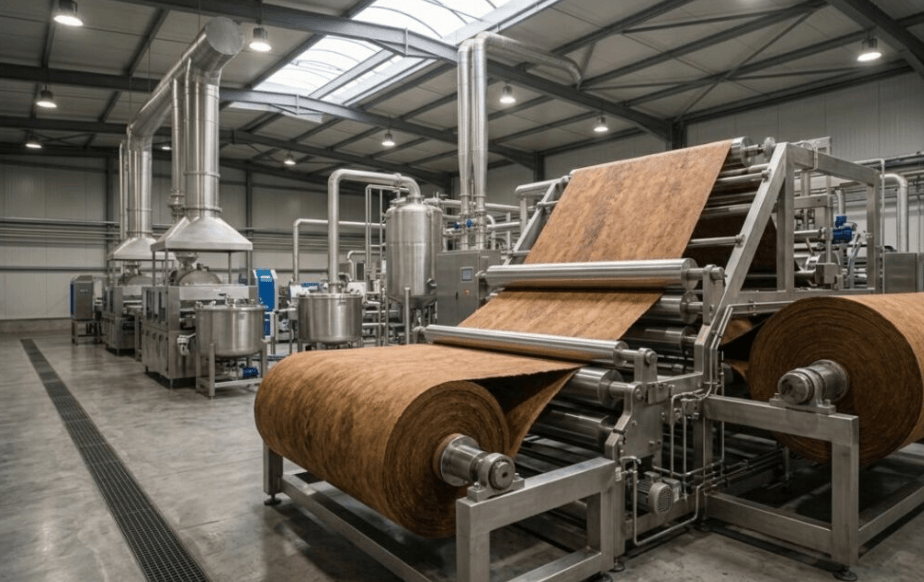

Modern tobacco manufacturing depends on efficient preparation methods that can handle raw materials consistently and reliably. Cutting tobacco leaves into appropriate strips is an important step before the material reaches mixing, flavoring, and conditioning processes. A tobacco leaf cutting machine can automate this stage and provide manufacturers with greater control over cutting consistency, production speed, and material handling.
The Importance of Precision in Tobacco Cutting
Tobacco leaves naturally differ in size, thickness, moisture, and texture. When cutting is performed manually, these differences can make it difficult to produce identical strips throughout a production batch. Uneven pieces may also behave differently during later processing.
Mechanical cutting equipment is designed to provide a more controlled approach. By establishing specific cutting parameters, manufacturers can produce tobacco strips with greater consistency. This helps create a more predictable raw material for subsequent processing stages.
Precision is especially valuable for manufacturers that need to maintain similar production results across multiple batches.
Creating a More Efficient Production Workflow
Production efficiency is not simply about increasing machine speed. It also involves reducing unnecessary manual handling and creating a smooth flow of materials between different stages.
Automated tobacco cutting equipment can process leaves continuously according to established operating settings. Instead of relying entirely on workers to cut tobacco manually, operators can supervise the machine and focus on quality checks, material feeding, and other production responsibilities.
This can help reduce repetitive labor and make the overall workflow more organized.
Flexible Cutting Requirements
Different tobacco products can require different cutting specifications. A machine that provides adjustable cutting parameters can therefore offer greater flexibility to manufacturers.
Depending on the equipment configuration, operators may be able to adjust the cutting width or other processing settings according to production requirements. This flexibility allows one machine to support different applications instead of being limited to a single cutting specification.
For businesses producing multiple tobacco blends, adjustable equipment can make production planning more convenient.
Matching Capacity With Production Needs
Production capacity should always be considered when selecting industrial cutting machinery. A machine that is too small may create a bottleneck, while equipment with excessive capacity may not be the most practical choice for a smaller operation.
Manufacturers should consider their current production volume as well as potential future growth. The ideal solution should provide enough capacity to meet regular demand while maintaining consistent cutting performance.
Capacity should also be considered alongside the speed of other machines in the processing line. A balanced system can help prevent delays between cutting and subsequent stages.
Strong Materials and Cutting Components
Durability is an important characteristic of industrial tobacco processing equipment. Machines used regularly need construction materials and components that can withstand repeated operation.
Stainless steel is commonly used in processing equipment because it provides a durable surface and can simplify cleaning. The cutting mechanism is equally important because the blades must maintain reliable performance during continuous use.
Proper blade maintenance can help preserve cutting quality. Operators should inspect blades regularly and replace or service them when necessary to prevent poor cutting results or unnecessary machine strain.
User-Friendly Machine Controls
Advanced machinery can improve not only production performance but also operator convenience. Modern cutting systems may include digital controls that allow users to monitor and adjust important machine functions.
A PLC-based touchscreen interface can provide centralized control and make production settings easier to manage. Clear operating controls can also reduce the time required for operators to learn the equipment.
For manufacturers looking to modernize their facilities, user-friendly automation can contribute to a more efficient working environment.
Safety During Cutting Operations
Safety should be considered whenever machinery contains moving components and cutting blades. Proper machine design can include protective guards, emergency-stop functions, and sensors that help detect abnormal operating conditions.
These features can help protect operators while also reducing the potential for damage caused by jams or overloads. However, machine safety features should always be supported by appropriate operating procedures and regular maintenance.
See also: Why Golf Cart Rentals Are Ideal For Community And Resort Living?
Integration With Downstream Processing
Tobacco cutting is only one part of the complete production process. After cutting, tobacco may proceed to mixing, flavoring, moisture adjustment, or other preparation stages.
A cutting machine that can integrate with surrounding equipment can help reduce unnecessary material movement. Connecting different processing stages can create a more continuous workflow and improve overall production organization.
Manufacturers should therefore consider how cutting equipment will fit into their existing or planned production line before making a purchase decision.
Conclusion
Precision cutting technology can make tobacco preparation more consistent, efficient, and manageable. A suitable tobacco cutting machine can reduce repetitive manual work, provide adjustable cutting options, support different production capacities, and integrate with other processing equipment. Durable construction, reliable blades, modern controls, and safety features can further contribute to dependable operation. By selecting equipment based on production volume, cutting requirements, raw material characteristics, and overall workflow, manufacturers can build a more efficient tobacco processing system designed to support long-term production needs.