
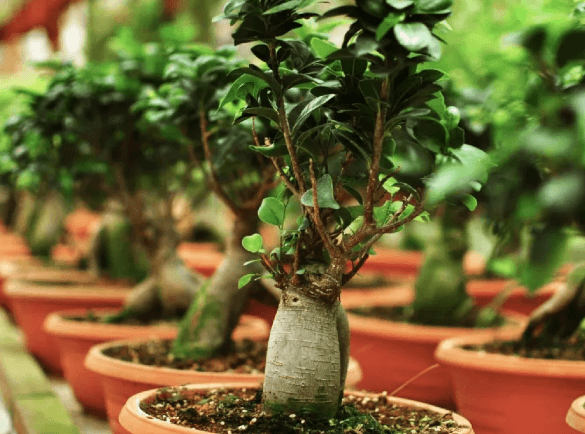
Elevating Commercial and Residential Landscapes With a Large Ficus Bonsai Tree

A thoughtfully selected tree can turn an ordinary outdoor area into a welcoming, memorable environment. A large ficus bonsai tree offers a distinctive combination of natural beauty, artistic shaping, and impressive scale. Wulala Garden’s approximately 4.5-meter Ficus microcarpa features a sturdy trunk, exposed aerial roots, layered foliage, and a banyan-inspired appearance. These characteristics make it an attractive choice for luxury residences, hotels, resorts, public gardens, and commercial landscaping projects.
Bringing Structure to Outdoor Spaces
Successful landscape design depends on more than selecting attractive plants. Trees, shrubs, pathways, and architectural features must work together to create balance and visual interest. A substantial Ficus bonsai can provide a central feature around which the rest of the landscape is organized.
Its height draws attention upward, while the trunk and aerial roots add detail near ground level. This combination creates visual interest from several viewing angles. In a spacious courtyard, the tree can become the centerpiece, while smaller plants and decorative materials provide a complementary background.
For designers working with large properties, choosing a specimen with an established shape can also help create a more mature appearance from the beginning.
The Unique Beauty of Aerial Roots
One of the defining features of Ficus microcarpa is its ability to develop aerial roots. These roots emerge above the soil and can grow downward toward the ground, eventually contributing to the tree’s substantial, banyan-like structure.
Unlike a tree with a simple, straight trunk, an aerial-root Ficus has a more intricate appearance. Its roots create texture and depth, while its branches and foliage form a layered canopy. Wulala Garden specializes in Ficus varieties with developed root structures and carefully shaped canopies for ornamental and landscape applications.
To emphasize this feature, landscape designers can leave sufficient open space around the base rather than covering the roots with dense shrubs. Stone borders, restrained groundcover, and clean planting beds can help showcase the tree’s natural form.
A Valuable Feature for Hotels and Resorts
Hospitality businesses use landscaping to establish atmosphere and improve the visitor experience. A well-planned garden can make an entrance more inviting, soften architectural surfaces, and create relaxing outdoor spaces for guests.
A large Ficus bonsai can support these goals in several ways. Near a hotel entrance, it can provide an identifiable focal point. In a resort garden, it can complement tropical planting and outdoor seating. Around a golf course or leisure property, it can introduce visual variety to expansive green areas.
Wulala Garden lists resorts, golf courses, urban parks, luxury estates, and large landscape projects among the suitable applications for its large Ficus bonsai.
Enhancing Private Gardens and Courtyards
Residential landscapes can benefit from the same design principles used in commercial projects. A single statement tree can establish the character of a garden without making the space feel crowded.
For example, a large Ficus bonsai can be positioned in the center of a spacious courtyard, beside a garden pathway, or near an outdoor entertainment area. Its evergreen foliage provides a consistent green presence, while the unusual trunk structure introduces character.
The surrounding plants should be selected according to the desired style. Tropical foliage can reinforce a lush atmosphere, while gravel, natural stone, and simple groundcover can create a more contemporary appearance. Leaving adequate room for the tree to develop is essential to maintaining the intended composition.
Understanding Growing Requirements
Before choosing a large specimen, property owners should consider the local climate, available sunlight, drainage, and long-term maintenance needs. Wulala Garden identifies its 4.5-meter Ficus as a tree suited to warm tropical and subtropical environments. Its product guidance recommends an optimal growth temperature of 18–35°C and full sun with at least six hours of direct sunlight daily.
Watering deserves particular attention after transplantation. The product guidance recommends watering every two to three days during the first month, keeping the soil moist without allowing it to become waterlogged. After the tree establishes new growth, watering frequency should be adjusted according to the season and soil moisture.
Well-drained soil is important because consistently saturated roots can create growing problems. Buyers should also confirm that the planting site offers enough room for the tree’s trunk, canopy, and root development.
See also: Making Commercial Washrooms More Efficient With the Right Manual Hand Soap Dispenser
Maintaining Its Shape Over Time
A professionally shaped Ficus bonsai still benefits from routine observation and maintenance. Occasional pruning can preserve the canopy’s balance, remove unwanted growth, and help the tree remain compatible with its surroundings.
Appropriate nutrition and careful watering support continued growth, while a suitable planting location reduces unnecessary stress. For commercial properties, establishing a regular maintenance schedule can help keep the tree attractive throughout the year.
A Lasting Investment in Landscape Design
A large Ficus bonsai tree offers more than height or greenery. Its aerial roots, sculptural trunk, layered canopy, and evergreen foliage can give an outdoor environment a recognizable identity. When selected for the right climate and placed thoughtfully, it can complement architecture, strengthen garden composition, and create a memorable focal point.
For landscape designers, developers, hospitality businesses, and homeowners, this distinctive tree provides an opportunity to combine horticulture with artistic landscape planning. With appropriate establishment and ongoing care, it can remain a defining feature of a well-designed outdoor space for years to come.