
The 168.0.131 router guide explains how to access the login page via the default gateway and verify firmware status. It details changing the default admin credentials to a strong, unique password and applying secure Wi‑Fi settings. The document also covers parental controls, firewall basics, and guest networks. It emphasizes documentation and policy discipline to ensure consistent administration. The implications of these steps suggest further procedures and checks that must be completed before proceeding.
How to Access the 168.0.131 Router Login Page
To access the 168.0.131 router login page, enter the device’s default gateway address into a web browser’s address bar. The page loads authentication prompts and branding elements; users proceed with standard credentials or informed access decisions. This guidance highlights login bypass implications and router marketing signals, emphasizing lawful use, awareness, and efficient navigation for freedom-focused administrators.
Change Default Admin Credentials Securely
Changing the default admin credentials is the next step after accessing the router login page. The procedure prioritizes security: log into the administration panel, navigate to account settings, and create a strong, unique password with length and complexity requirements. Perform security auditing after changes and confirm firmware updates are current to safeguard against exploits. Document changes for accountability.
Configure Wi‑Fi: SSID, Password, and Security Settings
Configuring Wi-Fi begins with setting a unique SSID, a strong password, and appropriate security options. The guide outlines wireless naming conventions, selecting WPA2 or WPA3 where available, and enabling LEASE-based or WPA3-Personal modes.
Apply strong passphrases, avoid default strings, enable guest isolation if needed, and save changes. Verify connectivity, test devices, and document settings for future adjustments.
Parental Controls and Network Security Essentials
Parental controls and network security essentials establish the frontline measures for safeguarding household devices and data. The guide presents procedures for enabling content filters, scheduling access, and monitoring activity, while maintaining user autonomy.
Configurations emphasize firewall rules, guest networks, and secure updates. Avoiding unnecessary clutter prevents conflation with unrelated topic or tangential concept, ensuring disciplined, freedom‑oriented administration and consistent policy enforcement.
Frequently Asked Questions
How to Recover a Forgotten Router Login Password?
To recover a forgotten router login password, perform a device reset following the manufacturer’s procedure; afterward, set a new password. This forgot password event requires reconfiguring security settings. Ensure secure, unique credentials to prevent future access issues.
Can I Log in From a Different Network Device?
Yes, it is possible to log in remotely from another device, provided remote management is enabled and secure. The procedure enables cross network access via authenticated sessions, respecting policy and best practices for safe, freedom-minded, authorities-acknowledged control.
What to Do if the Router LED Indicators Malfunction?
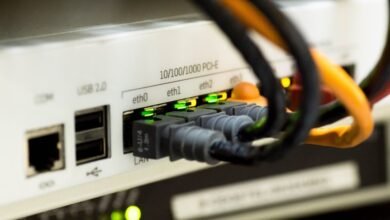
LED indicator troubleshooting should begin with verifying power and cable connections, then inspecting router LED behavior for error patterns; if unresolved, perform a factory reset and consult official firmware guidance to avoid misinterpretation or device misconfiguration.
Is There a Guest Network Option and How to Enable It?
Yes, there is a guest network and it can be enabled. To enable options, access the admin interface, locate Wireless or Guest Network settings, and toggle on. Consider security features and performance tweaks for optimal reliability and freedom.
How to Reset the Router to Factory Defaults Safely?
The reset procedure is straightforward: locate the recessed reset button, hold it 10–15 seconds, then let the router reboot to factory reset. Afterward, update firmware, reconfigure security awareness, and reapply essential settings for safe operation.
Conclusion
In the quiet hum of the network, the router sits as gatekeeper and guardian. Its console, a lighthouse guiding devices through digital fog, uses lighted passwords and steadfast firmware as its beacon. When steps are followed—secure credentials, updated firmware, clear policies—the traffic flows with purpose, ships unharmed by storms. The gateway becomes trust, not temptation; a steady, protected harbor where administration, like a steady flame, remains vigilant and true.