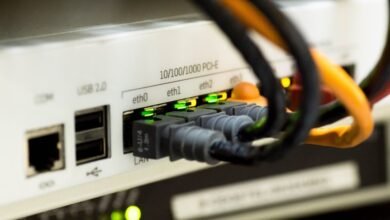


The 168.2.7 Router Network Configuration Guide presents a methodical framework for a scalable home network. It emphasizes deliberate device placement, clear zoning, and deterministic IP addressing. Subnetting is designed to avoid overlap and align routing, NAT, and firewall rules with policy integrity. Secure, modular firewall configurations and predictable QoS are prioritized alongside validated performance. The guide leaves the reader with a concrete path to implement and test, inviting further refinement as conditions and assets evolve.
How to Plan a Simple Home Network Layout
A simple home network layout should begin with a clear inventory of devices and their required roles, followed by a minimal, scalable topology. This plan emphasizes deliberate device placement and functional zoning, ensuring predictable performance. The layout specifies core components, conduit paths, and access points, enabling straightforward provisioning. It preserves flexibility while maintaining clarity, supporting a breathable, freedom-oriented, technically rigorous home network.
Secure IP Addressing and Subnetting Essentials
Secure IP addressing and subnetting are foundational for safe, scalable network operation. The approach emphasizes deterministic addressing plans, consistent subnet masks, and reserved ranges to prevent overlap. Subnetting fundamentals enable efficient route aggregation and future growth. Two word idea 1, two word idea 2, should be integrated as references for design decisions. Practitioners apply methodical checks, documentation, and validation steps for reliable deployment.
Configure Routing, NAT, and Firewall Rules
Routing, NAT, and firewall rule configuration translates the address plan and security posture established earlier into operational behavior. The procedure delineates routing protocols selection, external routing advertisements, and dynamic path adjustments, while enforcing firewall concepts that separate trust domains. NAT traversal methods are implemented to preserve inbound accessibility, maintain policy integrity, and ensure deterministic, transparent traffic flow across granular interfaces.
Optimize Wi‑Fi and QoS for Everyday Use
Efficient Wi‑Fi operation and consistent QoS require a structured approach to channel selection, spectrum utilization, and traffic prioritization. The analysis emphasizes practical tuning: assess interference, deploy optimal band plans, and implement deterministic QoS rules aligned with device classes. Consider Alternative energy awareness in sustainment decisions, and reinforce wireless basics, ensuring predictable throughput, stable latency, and flexible, user‑centric performance under variable loads.
Frequently Asked Questions
How to Recover a Forgotten Router Admin Password?
A recovery password for the router admin can be generated or reset via the device’s reset procedure or web interface, restoring access. After recovery, configure guest network for restricted internet access and document credentials for future administration.
Can I Use a Guest Network Without Internet Access?
Yes, a guest network can operate without internet access, though isolation and segmentation limits prevail. The system enforces device isolation, network segmentation, and parental controls, ensuring a controlled, freedom-seeking environment while preserving offline guest connectivity.
How to Update Router Firmware Safely?
Firmware updates should be performed safely by first creating a firmware backup, verifying integrity, then applying the upgrade during a controlled window. Afterward, perform security hardening steps and test functionality to ensure ongoing network freedom and resilience.
What to Do if DMZ Is Required for a Device?
When DMZ is required for a device, one isolates it from the internal network: configure a dedicated interface and firewall rules. Configuration basics are followed alongside Security best practices, balancing strict access controls with freedom for testing and development.
How to Monitor Bandwidth Usage per Device?
Monitoring bandwidth per device is achieved via router QoS dashboards, applying per-device statistics to identify usage patterns. It supports network security and parental controls, enabling policy enforcement while preserving user autonomy and freedom through transparent, precise network monitoring.
Conclusion
In the quiet hum of the home, cables trace orderly arcs like veins of a living network. Subnets breathe in measured cadence, gateways stand as steadfast anchors, and firewall rules form a silent gatekeeper’s perimeter. Routing threads weave predictable paths, QoS keeps essential tasks marching in step, and Wi‑Fi radiates even, resilient coverage. The layout, once imagined, becomes an operating heart—clear, scalable, repeatable—ensuring stable throughput, low latency, and resilient, secure external reach.