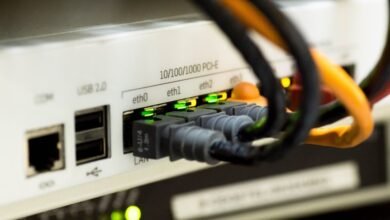


The 168.20.1 Default Gateway Login Guide presents a concise framework for securing core network access. It defines how to locate the gateway, access the admin interface safely, and enforce least-privilege authentication. It also outlines session governance, auditing, and repeatable remediation. The guide distinguishes credential, session, and device-layer faults and stresses firmware updates. A practical path forward is offered, with clear steps and troubleshooting workflows that prompt further consideration of provisioning and governance.
What Is the 168.20.1 Default Gateway and Why It Matters
A 168.20.1 default gateway refers to a specific network device that serves as the access point for devices within a local subnet to reach external networks.
The router interposes between internal hosts and the wider internet, directing traffic, and ensuring routing efficiency.
In context, unrelated topic and off topic content should be ignored as incidental.
How to Locate the 168.20.1 Login Page on Your Network
Locating the 168.20.1 login page begins with identifying the gateway’s address on the local network.
Network discovery reveals accessible routes and subnets, guiding administrators to the correct interface without ambiguity.
Precise scanning, DNS considerations, and ARP tables support rapid access.
This facilitates device onboarding while maintaining minimal exposure, ensuring authorized discovery of the login page.
Step-by-Step Login and Secure Access Best Practices
To ensure secure access to the 168.20.1 gateway, administrators should follow a structured login sequence: verify device identity, use a trusted management station, and apply least-privilege credentials before attempting authentication.
Network security hinges on disciplined authentication, session governance, and audit trails.
Device onboarding aligns with secure provisioning, role-based access, and minimal exposure, preventing misconfigurations during initial setup.
Troubleshooting Common 168.20.1 Login Issues and Next Steps
Troubleshooting 168.20.1 login issues begins with identifying common failure modes observed during authentication and session control. Distinguish between credential, session, and device-layer faults, then apply targeted remedies. Data privacy considerations constrain data handling during diagnostics. Prioritize firmware updates and configuration validation, ensuring secure access paths. Document findings, establish repeatable remediation steps, and define next steps for ongoing monitoring and user empowerment.
Frequently Asked Questions
Can I Change the Default Login URL for Security?
Yes, he can change the default login URL; many routers support this. To improve security, set a unique path, ensure browser support, and update bookmarks. Change default carefully, test access on multiple browsers, and document the new URL.
What Browsers Are Supported for 168.20.1 Login?
Are supported browsers listed for compatibility, and do Login prompts vary by browser? The answer emphasizes browser compatibility and Login prompts as two word ideas, noting widely used contemporary browsers satisfy requirements while ensuring secure, consistent access across devices and networks.
How Do I Back up Router Settings After Login?
Back up router settings after login by exporting the configuration file via the admin menu, selecting a secure destination. Regularly verify integrity, encrypt backups, and store offline. These backup tips reinforce router security and support freedom through controlled data retention.
Is Two-Factor Authentication Available for This Gateway?
Two-factor authentication is not universally available on this gateway; security features vary by model. The user experience depends on firmware. Imagery aside, the device may require additional hardware or companion apps to bolster security.
Can I Reset to Factory Defaults Without Losing Config?
The user can reset to factory defaults without losing config by performing a non-volatile reset. However, perform a firmware update after restore, and temporarily reset credentials with reset password to regain access. Cautiously verify before applying changes.
Conclusion
The 168.20.1 gateway remains a critical control point for network access, requiring disciplined authentication and continuous monitoring. A notable statistic: organizations that implement centralized logging of gateway events reduce incident response times by up to 40%. From discovery to remediation, adherence to least-privilege credentials, trusted management stations, and timely firmware updates yields repeatable, auditable workflows. When issues arise, clear separation of credential, session, and device-layer faults guides efficient troubleshooting and minimizes downtime.