

Accessing the 168.86.1 router admin panel requires a connected device and a supported browser. This guide outlines core settings, security postures, and inter-service interactions, with attention to default values and how changes impact reliability. It covers firmware update practices, log monitoring, and baseline diagnostics before updates. Strengthening WiFi involves layered security and vigilant device monitoring. The discussion will proceed through access steps, configuration fundamentals, and practical safeguards, but crucial implementation decisions warrant careful consideration before proceeding.
How to Access 168.86.1 Router Admin Panel
Access to the 168.86.1 router administration panel is obtained by connecting a device to the router’s network and entering the device’s web browser with the router’s IP address.
The interface presents access logs, firmware updates, and network segmentation options.
It supports guest access, parental controls, and VPN setup, enabling controlled freedom while preserving secure, auditable configuration and ongoing maintenance.
Understand the Core Router Settings You’ll Use
Understanding the core router settings involves a systematic examination of each configuration area, identifying the default behavior, and clarifying how changes affect network reliability and security. The analysis emphasizes essential network basics, documenting how features interact across interfaces and services. Consider device compatibility, noting supported standards, firmware requirements, and interoperability to prevent misconfigurations and ensure consistent, predictable performance.
Strengthen WiFi Security and Optimize Performance
To strengthen WiFi security and optimize performance, it is essential to implement a layered approach that mitigates common attack vectors while maintaining network throughput. The procedure emphasizes disciplined configuration, regular credential hygiene, and proactive updates.
Enforce strong passwords and rotate them periodically, monitor device connections, apply firmware updates promptly, and audit access logs to sustain resilient, high-performance wireless segmentation and control.
Troubleshooting Common 168.86.1 Router Issues and Fixes
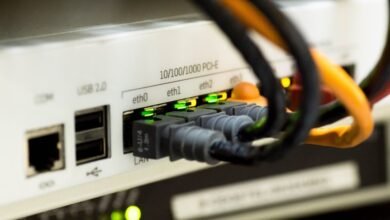
Router administration often encounters issues related to connectivity, performance, and configuration drift. Troubleshooting begins with baseline diagnostics: verify cable integrity, confirm device responsiveness, and inspect LED indicators. Username setup must be revalidated when access anomalies occur; document changes and revert if necessary. Firmware updates should be performed systematically, ensuring backup, compatibility checks, and scheduled reboots to minimize downtime and maximize stability.
Frequently Asked Questions
Can I Change the Router’s Default Admin Username?
Yes, a router’s default admin username can be changed through the admin interface; access settings, locate User Management or Admin, replace the default with a unique credential, and save. Idea one, off topic; Idea two, unrelated concept.
What Is the Default Wifi Password on 168.86.1?
The default wifi password is not publicly disclosed; routers vary. For wifi security, change the default password promptly, create a strong, unique passphrase, enable WPA3 where available, and document changes for future maintenance.
How Do I Factory Reset the 168.86.1 Router?
The device is factory reset by holding the reset pin for 10 seconds, then releasing; verify LEDs indicate reset. Include factory reset tips, perform firmware update considerations, and reconfigure settings from scratch for security and autonomy.
Can I Enable Guest Network Access on 168.86.1?
Yes, a guest network can be enabled on 168.86.1 by configuring SSID isolation, WPA2/WPA3 security, and a separate VLAN. However, expect occasional firmware quirks and theme tunneling complexities requiring careful, methodical toggling and testing.
Is Remote Management Secure for a 168.86.1 Router?
Remote management can be secure if enabled with strong authentication, encryption, and strict access controls; otherwise risks arise. The assessment considers remote device compatibility and cloud storage privacy, ensuring minimal exposure to attackers while preserving user freedom and oversight.
Conclusion
The guide converges into a precise, methodical routine: access the 168.86.1 admin panel, verify core settings, and implement layered WiFi defenses with robust, rotating credentials. By aligning firmware updates, compatibility checks, and log monitoring, administrators ensure reliability while minimizing risk. As a lighthouse through changing currents, the procedures illuminate secure paths, making configuration changes predictable and traceable, and ensuring ongoing performance. A disciplined approach preserves network integrity and accelerates issue resolution.