
Sales & Regional Dashboard: 530-231-4361, 605 322 4622, 605-865-8590, 608-324-9112, 612-315-7944, 614-212-7507

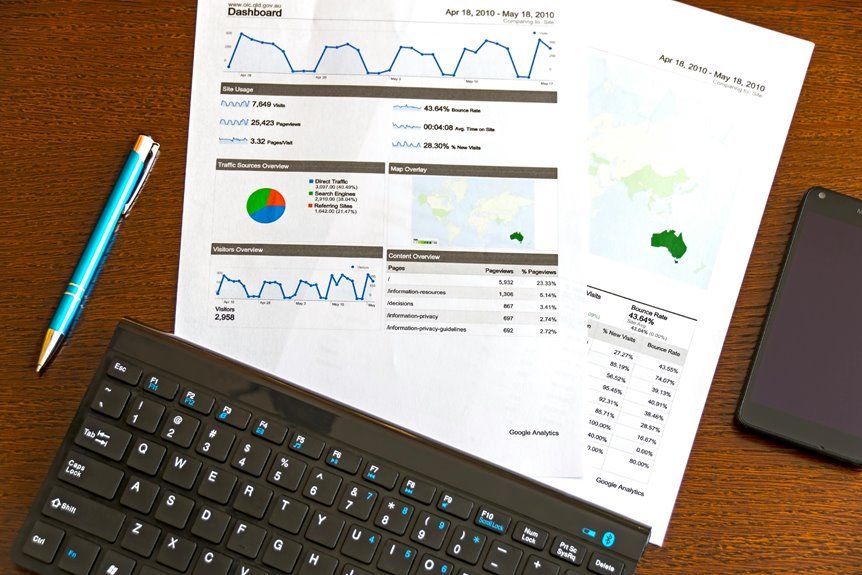
The Sales & Regional Dashboard serves as an essential tool for organizations aiming to enhance their sales performance and market analysis. By providing real-time insights and critical metrics, it facilitates informed decision-making. Understanding its key features, benefits, and best practices can significantly impact a company’s strategic positioning. However, the implementation process and effective utilization often present challenges that require careful consideration. How can organizations optimize their use of this powerful tool?
Key Features of a Sales & Regional Dashboard
A comprehensive Sales & Regional Dashboard typically includes several key features that enhance its functionality and usability.
Central to its design are advanced data visualization tools, allowing users to interpret complex datasets easily.
Additionally, effective performance tracking mechanisms provide real-time insights into sales metrics, enabling teams to make informed decisions.
Together, these elements facilitate a deeper understanding of market dynamics and operational efficiency.
Benefits of Implementing a Sales & Regional Dashboard
Implementing a Sales & Regional Dashboard offers organizations a strategic advantage, as it streamlines data analysis and enhances decision-making processes.
With effective data visualization, stakeholders can easily interpret complex information, leading to informed choices.
Additionally, performance tracking becomes more efficient, allowing teams to identify trends and optimize strategies.
Ultimately, this implementation fosters an environment of agility and responsiveness, empowering organizations to thrive.
Best Practices for Utilizing a Sales & Regional Dashboard
Maximizing the benefits of a Sales & Regional Dashboard requires adherence to best practices that optimize its use.
Employing effective data visualization techniques enhances clarity and understanding of key metrics.
Furthermore, integrating robust performance tracking methods allows for timely adjustments and informed decision-making.
Emphasizing user engagement and regular updates ensures that the dashboard remains a valuable tool for achieving sales objectives and fostering regional success.
Conclusion
In conclusion, the Sales & Regional Dashboard enhances decision-making, empowers teams with real-time insights, and fosters strategic agility. By streamlining data analysis, facilitating performance tracking, and promoting informed choices, organizations can better navigate market dynamics. Embracing this tool not only drives competitive advantages but also cultivates a culture of data-driven excellence. Ultimately, the dashboard serves as a vital asset for organizations aiming to elevate their sales performance and respond effectively to evolving business landscapes.